How to Sort Garbage in Nagoya, Japan: A Quick Guide
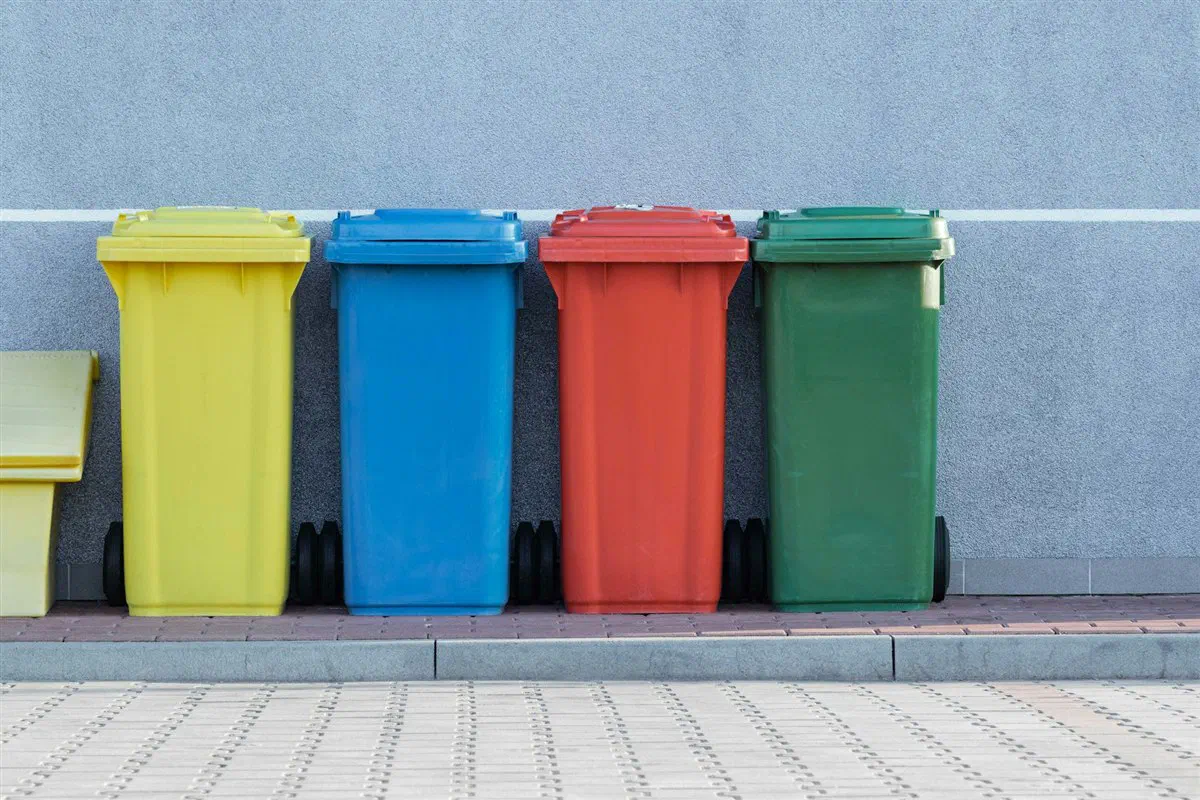
If you’re staying in Nagoya for more than a few days, you’ll need to know the basics of the city’s garbage-sorting system. Nagoya splits waste into household collection, neighborhood collection-point items, and drop-off recycling categories — and since collection days depend on your exact address, always check the city’s official collection-day search tool. One recent change to know: since April 2024, translucent bags can no longer be used for recyclables, flammable hazardous items, or batteries.
How Waste Is Categorized
- Household collection (each address, separately): Burnable garbage, non-burnable garbage, bulky waste (advance reservation required), flammable hazardous items, batteries, plastic recyclables, garden waste
- Neighborhood collection points: Paper packaging/mixed paper, PET bottles, glass bottles, cans
- Drop-off recycling points: Paper cartons, small home electronics/rechargeable devices, used cooking oil, fluorescent tubes and mercury thermometers
Basic Rules for Putting Out Garbage
- Collection days and drop-off points depend on your address (ward/neighborhood) — use the City of Nagoya’s official “collection day search” tool to check yours.
- Since April 2024, translucent bags can no longer be used when putting out recyclables, flammable hazardous items, or batteries (check the official site for the current bag requirements for burnable/non-burnable waste).
- Put your garbage out on the morning of the designated collection day, before the specified time — exact times vary by area, so confirm locally.
Multilingual Support
- The City of Nagoya’s official site supports automatic translation into 60+ languages.
- An “Easy Japanese” version of the guide (PDF) is also available, useful for Japanese learners.
Information checked on 2026-09-03. Details can change, so please confirm the latest information with the official sources below.